
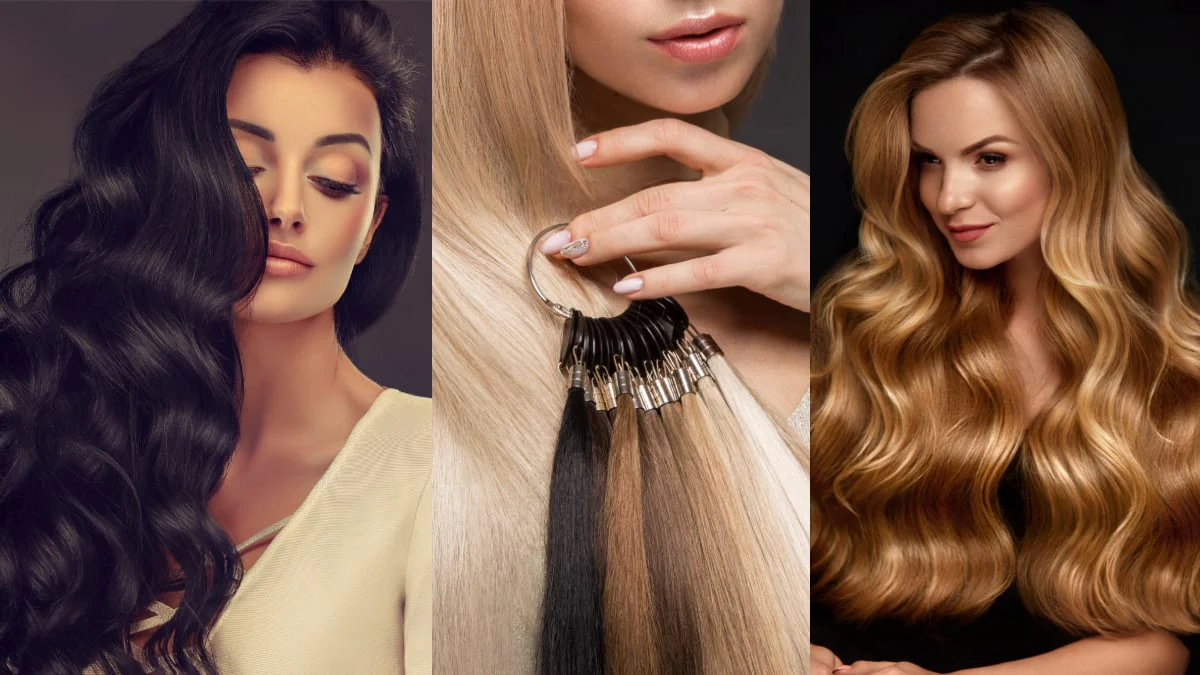
Tape-in extensions can look incredibly natural, but removing them the wrong way can undo weeks of careful maintenance. The adhesive that keeps them secure is strong by design, which means it must be dissolved properly instead of pulled apart. Safe removal protects my natural hair from breakage, thinning, and unnecessary stress. Rushing the process almost always leads to regret.
Patience plays a huge role in preserving hair health during removal. Even if the extensions feel loose, that does not mean they are ready to slide out effortlessly. Adhesive residue can cling to strands, and improper handling may cause shedding that could have been avoided. Taking the right steps ensures my natural hair remains intact and ready for whatever style comes next.
Prepare The Right Tools
Preparation makes the entire process smoother and safer. I always gather a professional-grade tape-in extension remover, a rat-tail comb, sectioning clips, a wide-tooth comb, and a gentle clarifying shampoo. Having everything within reach prevents unnecessary pauses that might tempt me to rush.
Using the correct remover is essential because it breaks down the adhesive without damaging the hair shaft. Substituting random oils or alcohol-based products can dry out the hair or leave residue behind. Investing in proper supplies reduces the risk of mistakes.
A clean workspace with good lighting also helps. Clear visibility allows me to see exactly where the adhesive sits and how it responds to the solution.
Work On Dry Hair
Tape-in extensions should always be removed from completely dry hair. Moisture can interfere with the remover’s ability to dissolve the adhesive effectively. Starting with dry strands ensures better control throughout the process.
I gently brush through my hair before beginning. Removing surface tangles prevents unnecessary pulling once the adhesive starts loosening. Smooth hair allows the solution to distribute evenly.
Dry preparation sets the tone for a careful removal. Skipping this step complicates everything that follows.
Section The Hair Carefully
Dividing my hair into manageable sections keeps the process organized. I secure the upper layers with clips and begin at the nape of my neck. Working from bottom to top prevents removed pieces from tangling with sections that are still attached.
Smaller sections allow for better precision. Trying to remove multiple wefts at once increases the chance of pulling. Controlled, steady movements protect the integrity of my strands.
Staying organized also shortens the overall time required. Methodical removal reduces stress on both me and my hair.
Apply The Adhesive Remover Generously
The remover must fully saturate the tape bond. I spray or apply the solution directly onto the adhesive strip, ensuring both sides are coated. A light application is rarely enough to break down the glue completely.
Allowing the remover to sit for a short period helps it penetrate. Rushing to separate the wefts before the adhesive softens can cause breakage. Patience during this step pays off significantly.
If the bond does not loosen easily, I apply more remover rather than forcing it. Gentle persistence protects my natural hair.
Separate The Tape Gently
Once the adhesive begins to dissolve, I carefully peel the two extension tabs apart. The motion should feel smooth and controlled. Resistance usually signals that more remover is needed.
Pulling aggressively can strip natural hair along with the extension. I focus on easing the tape away rather than yanking it downward. Slow separation ensures minimal shedding.
Each bond deserves individual attention. Skipping careful handling increases the risk of damage.
Remove Residual Adhesive
After the extensions are out, sticky residue often remains on my hair. This leftover adhesive must be addressed properly. I apply a small amount of remover directly onto the sticky area and gently massage it in.
Using a fine-tooth comb, I carefully slide the softened residue down the hair shaft. Patience is crucial here. Tugging at glue buildup can lead to unnecessary breakage.
Removing all residue ensures my hair feels clean and light again. Lingering adhesive attracts dirt and complicates styling.
Detangle With Care
Shedding during extension wear can accumulate within the bonds. Once the tapes are removed, those naturally shed strands are released. I gently comb through to remove them.
A wide-tooth comb works best for this stage. Starting at the ends and working upward prevents stress at the roots. Slow detangling restores smoothness.
Seeing loose hairs during this step can be alarming, but it is often normal shedding that was trapped. Gentle technique ensures only the shed strands come out.
Cleanse Thoroughly
After removal, I wash my hair with a clarifying shampoo to eliminate any remaining product or adhesive traces. Massaging the scalp helps restore freshness. Clean hair provides a better foundation for future styling.
Conditioner is applied mainly to the mid-lengths and ends. Hydration replenishes moisture that may have been affected by the remover. Balanced cleansing leaves my hair soft and manageable.
Rinsing thoroughly prevents buildup from lingering. Freshly cleaned hair feels noticeably lighter.
Deep Condition For Recovery
Even with careful removal, my hair benefits from extra nourishment. A deep conditioning treatment restores moisture and elasticity. Extensions add weight over time, so replenishing hydration is essential.
I leave the treatment on for the recommended duration to allow full absorption. Rushing this step limits its effectiveness. Softness returns gradually with consistent care.
Recovery strengthens the strands before any new installation. Healthy hair responds better to future styling.
Assess The Condition Of Natural Hair
Removal is a good opportunity to evaluate overall hair health. I check for thinning areas, dryness, or breakage. Identifying issues early allows me to address them promptly.
If I notice significant stress at the roots, I may take a short break before reinstalling extensions. Giving my scalp time to rest can prevent long-term problems. Balanced decisions support lasting results.
Self-assessment helps maintain realistic expectations. Healthy hair remains the priority.
Avoid Reinstalling Immediately
While it may be tempting to reinstall extensions the same day, allowing my hair to breathe can be beneficial. Even a brief pause reduces strain. Natural strands regain flexibility without added weight.
If I plan to reinstall quickly, I ensure my hair is completely clean and dry first. Fresh adhesive bonds adhere better to residue-free hair. Preparation influences how secure the next installation will be.
Thoughtful timing prevents unnecessary stress. Balance keeps my hair strong.
Store Extensions Properly
If I intend to reuse my tape-in extensions, proper storage matters. After removing residual adhesive from the wefts, I wash and condition them gently. Clean extensions last longer.
Once dry, I store them flat in a protective case or sealed container. Avoiding moisture and dust preserves quality. Organized storage prevents tangling.
Caring for the extensions themselves maximizes value. Maintenance does not end once they are removed.
Watch For Warning Signs
Discomfort during removal signals a need to slow down. If I feel pulling or sharp tension, I stop and apply more remover. Ignoring resistance can lead to breakage.
Scalp irritation should also be monitored. If redness or sensitivity appears, I treat the area gently and avoid harsh products. Listening to my hair protects it from unnecessary harm.
Awareness reduces mistakes. Calm, attentive handling keeps the process safe.
Seek Professional Help If Needed
Removing tape-in extensions at home is possible, but professional assistance provides added security. Stylists are trained to dissolve adhesive efficiently without causing damage. Their expertise reduces guesswork.
If I feel uncertain or overwhelmed, scheduling an appointment can prevent costly errors. Correct removal safeguards my natural hair for the long term. Sometimes professional guidance is the safest option.
Confidence grows when the process feels manageable. Choosing support when necessary is part of responsible hair care.
Final Thoughts
Safe tape-in extension removal requires patience, proper tools, and gentle technique. Pulling or rushing creates avoidable damage that can take months to repair. Careful application of remover, slow separation, and thorough cleansing preserve hair health.
The process does not end once the extensions are out. Conditioning, detangling, and thoughtful aftercare restore balance and prepare my hair for future styling. By prioritizing safety at each stage, I protect both my natural strands and the investment I made in my extensions.
